Welcome to the archive of my academic projects and researches in design. This space documents my creation processes, conceptual development, and final outcomes across diverse topics. As an evolving portfolio, it reflects my growing interests, methods, and developing design perspective.
The projects presented here were conducted within the scope of my studies at Institute Digital Communication Environments at FHNW Academy of Arts and Design
/Suyeon Kim/
Get to know me more
suyeon.kim@students.fhnw.ch
Instagram
The projects presented here were conducted within the scope of my studies at Institute Digital Communication Environments at FHNW Academy of Arts and Design
/Suyeon Kim/
Get to know me more
suyeon.kim@students.fhnw.ch
04.
Poster Series
Autumn 2025
Lecture_Practice-led Image Research
Lecturer_Michael Renner
Autumn 2025
Lecture_Practice-led Image Research
Lecturer_Michael Renner
Posters-digital only
594 x 841mm
51 Image Research Series
594 x 841mm
51 Image Research Series
How can practice-based graphic design experiments reimagine classical ballet posters to communicate movement, narrative, and emotion beyond literal bodily representation?
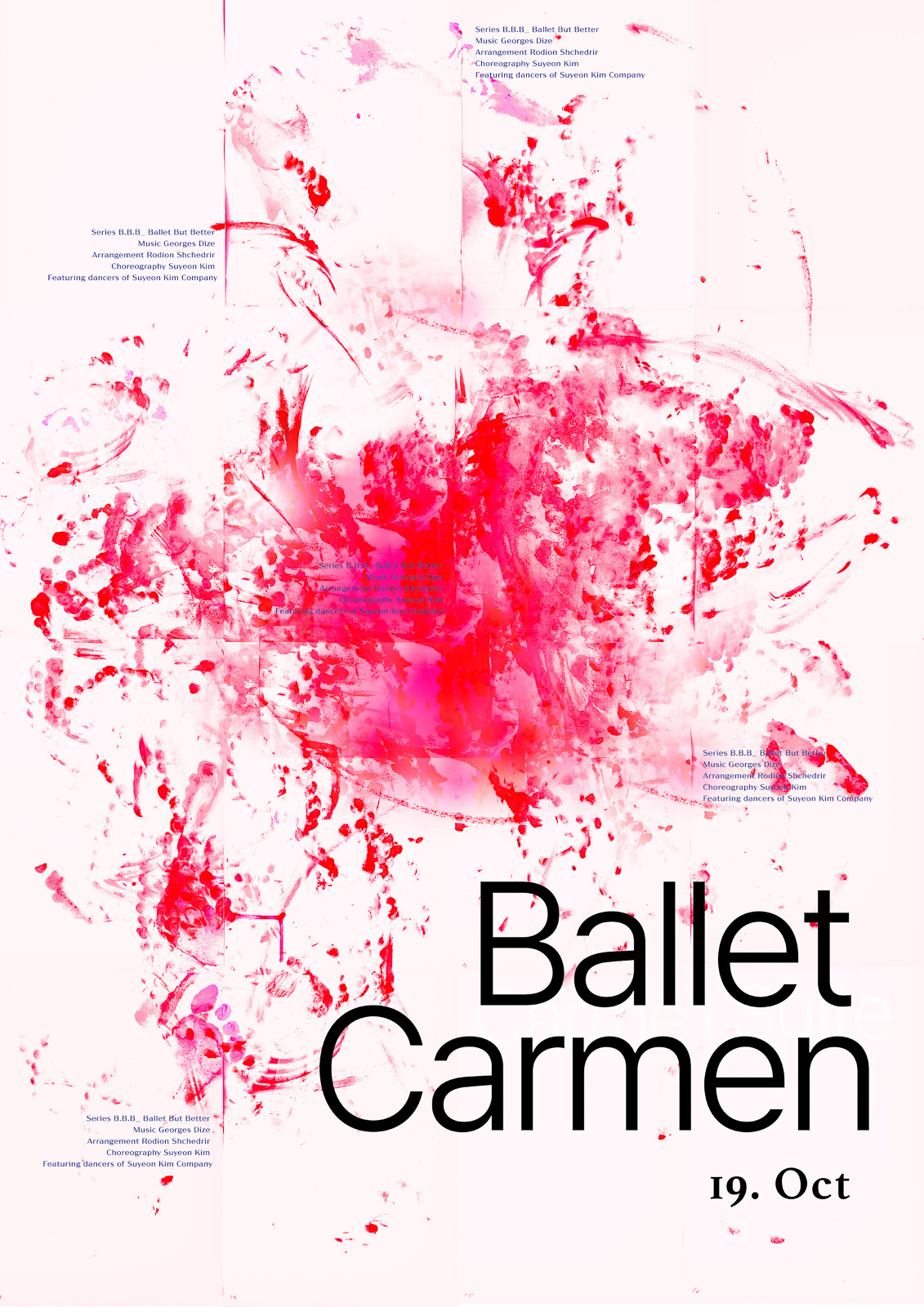

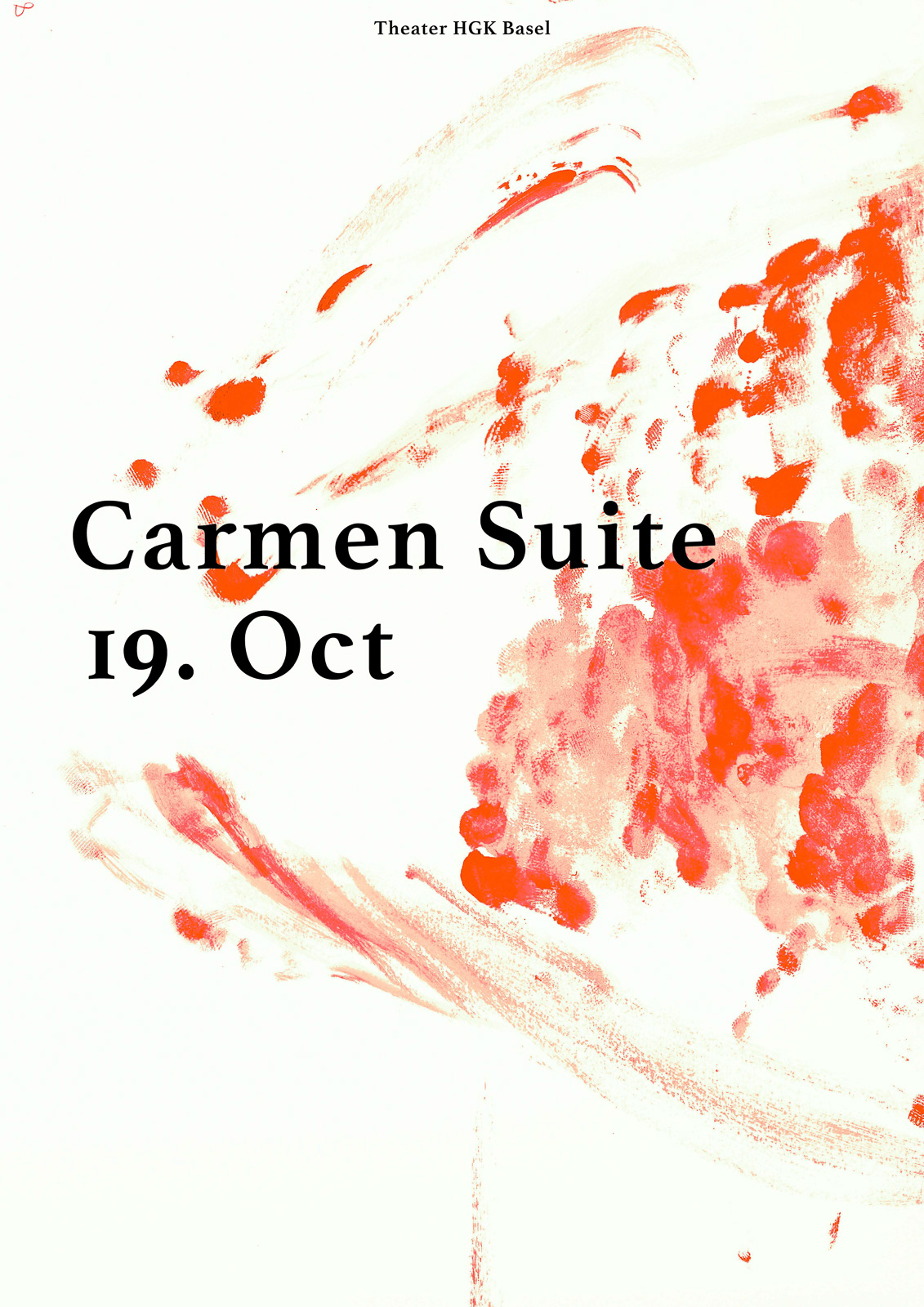
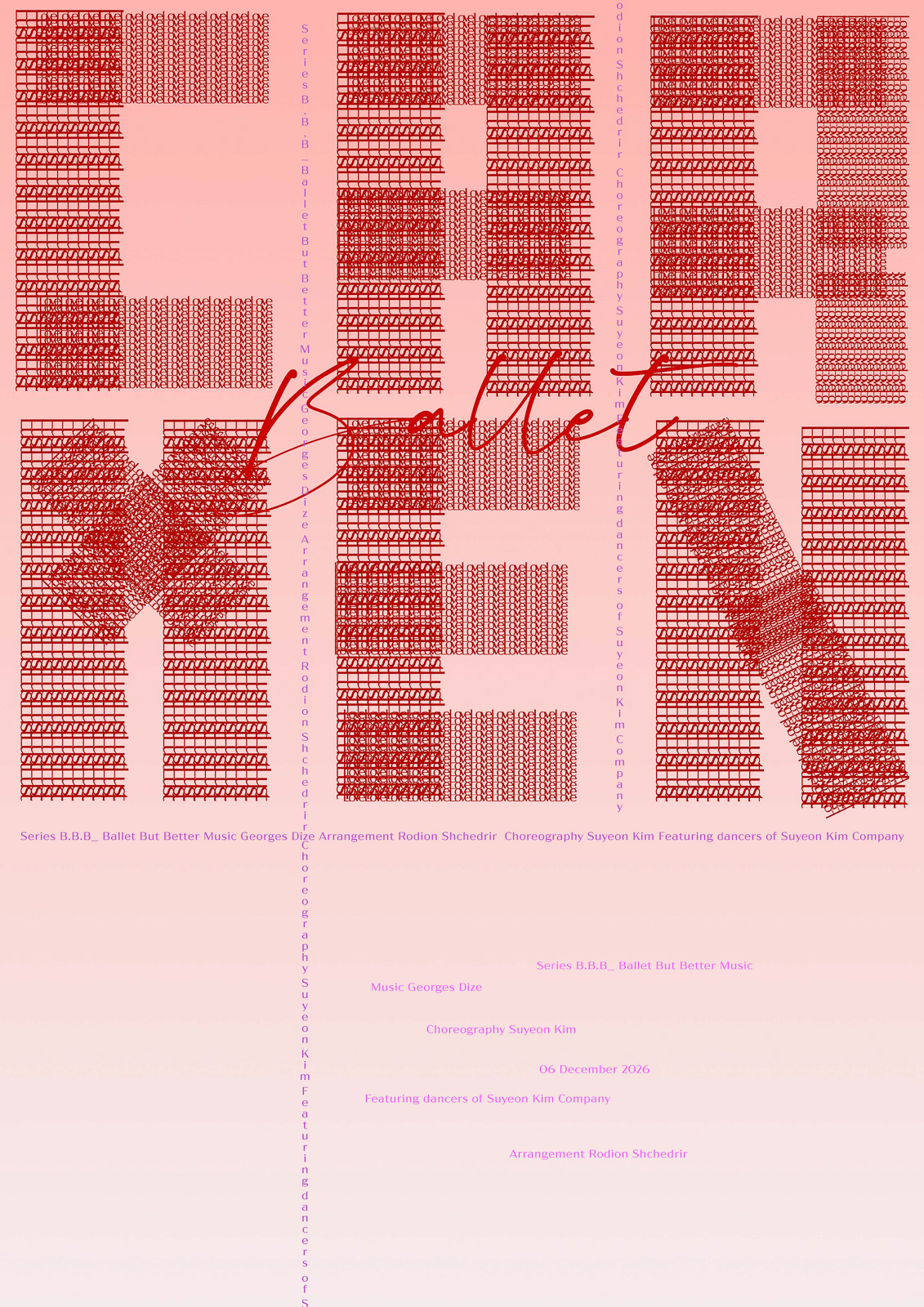
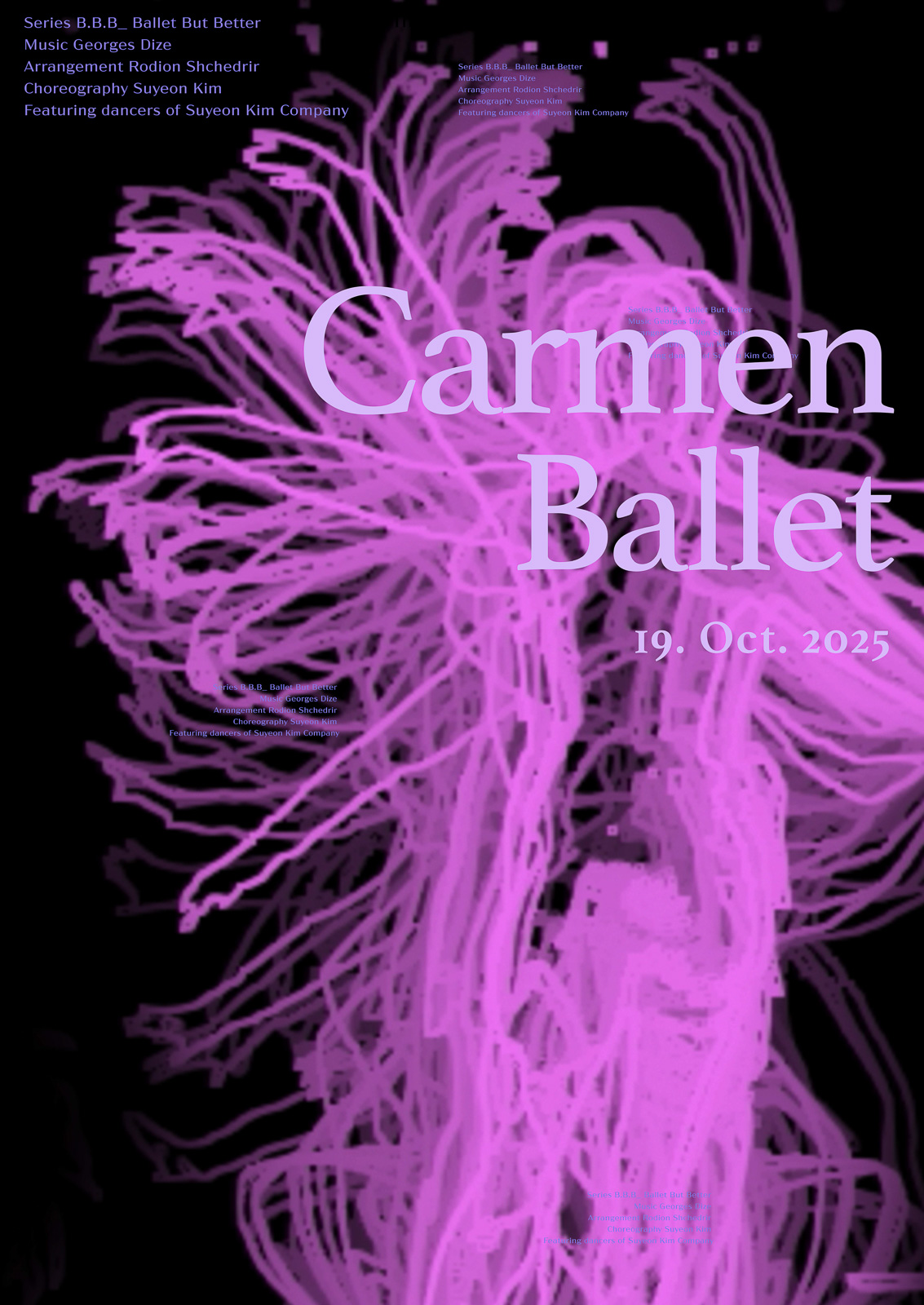



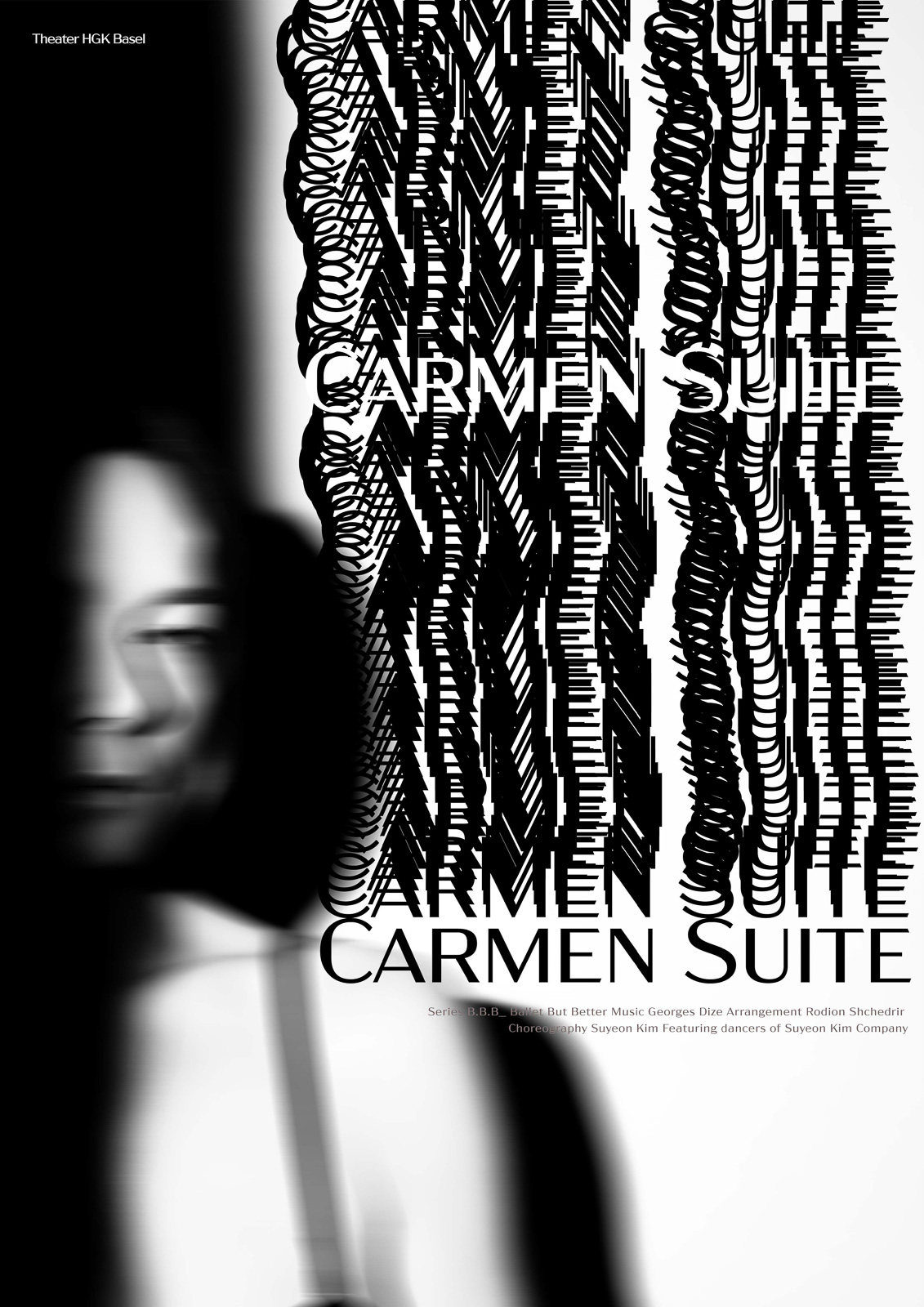


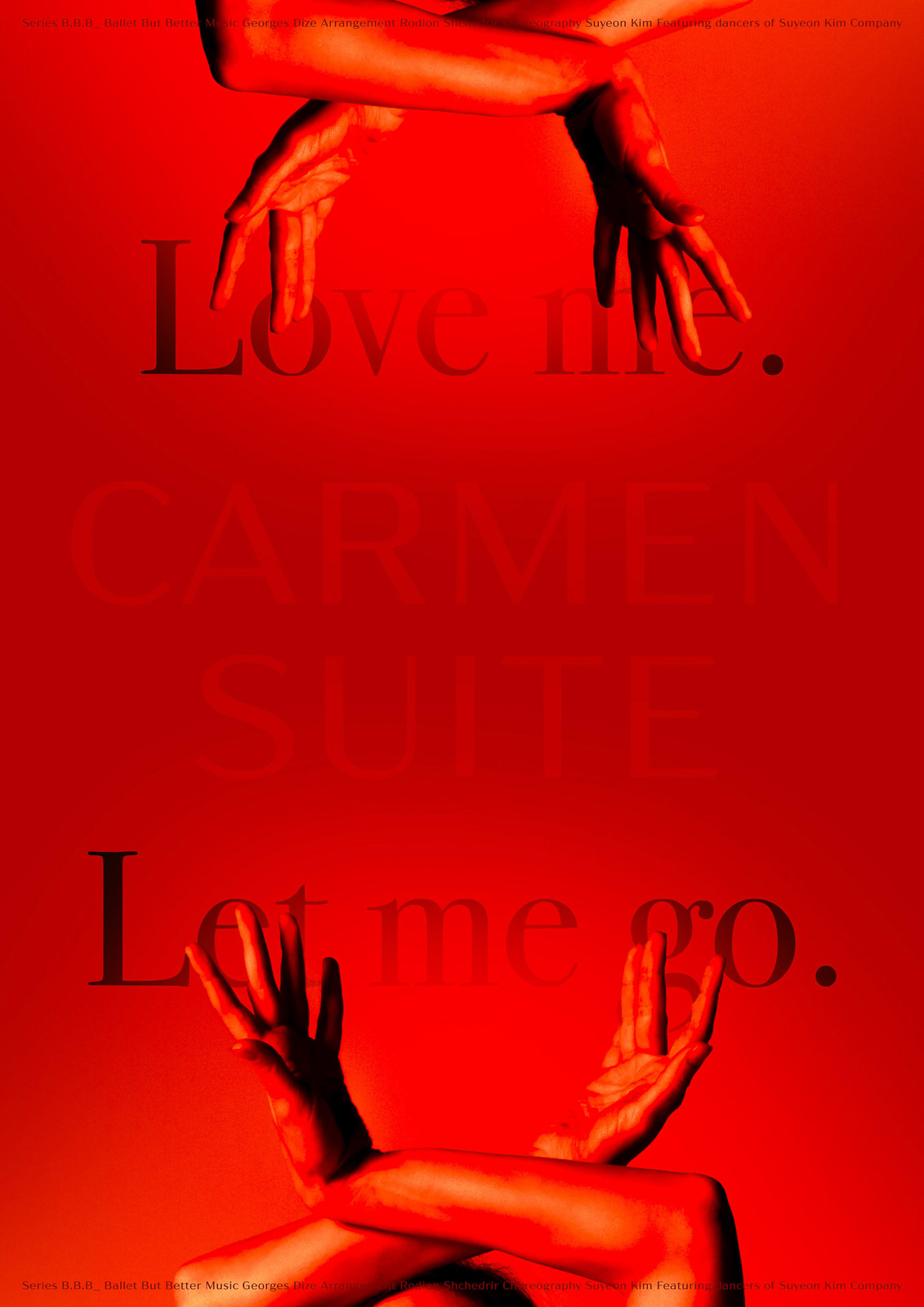
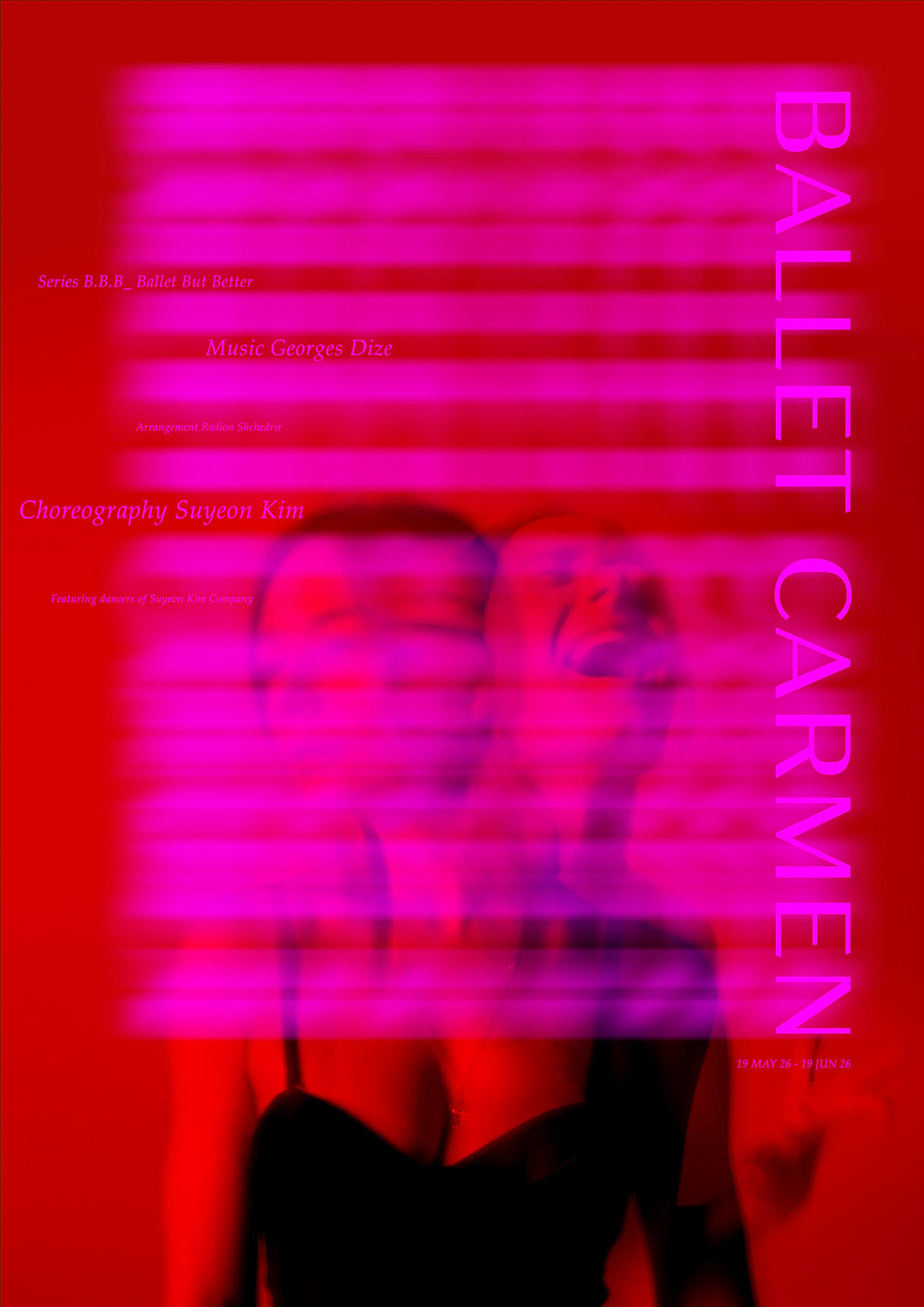
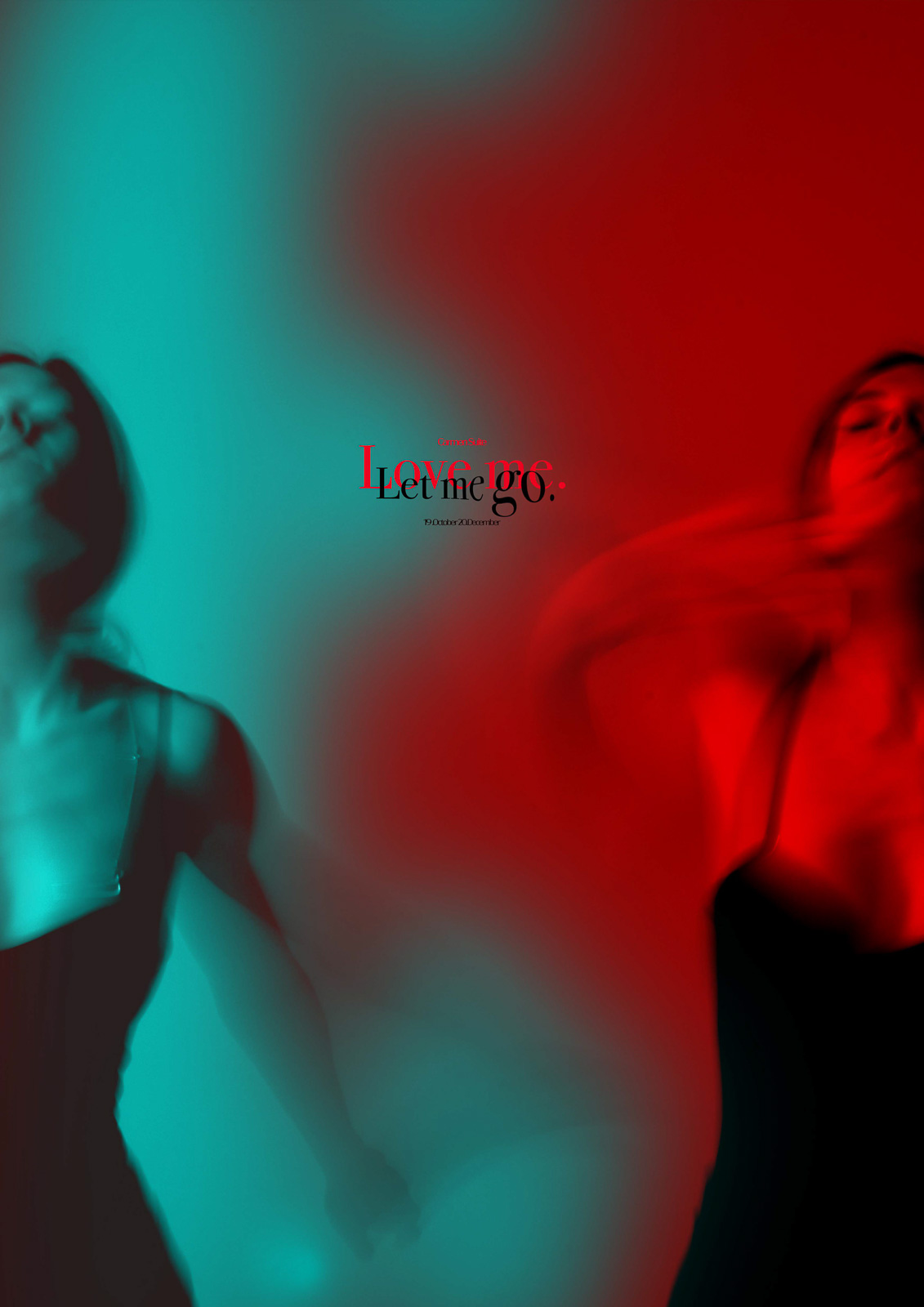
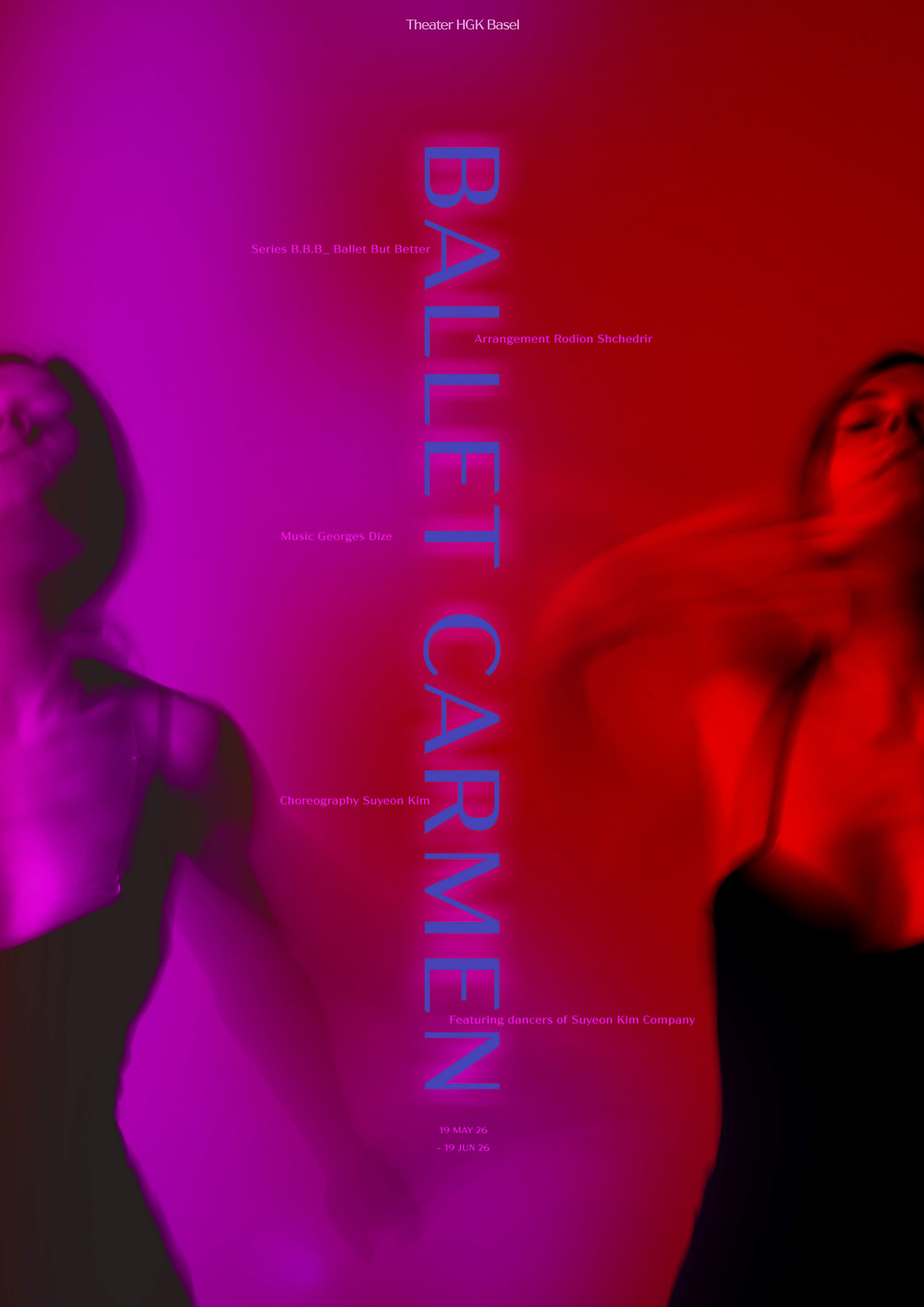

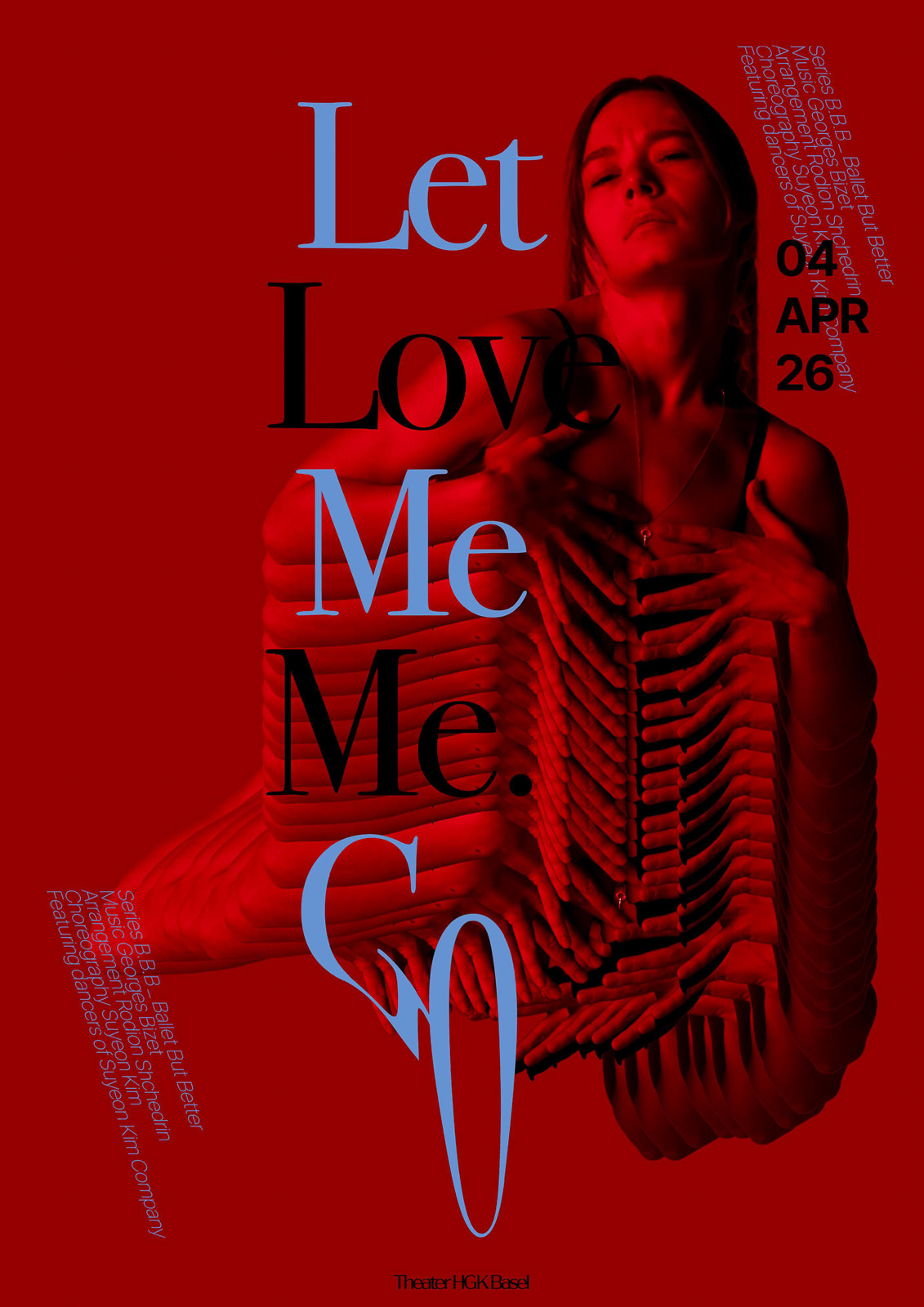

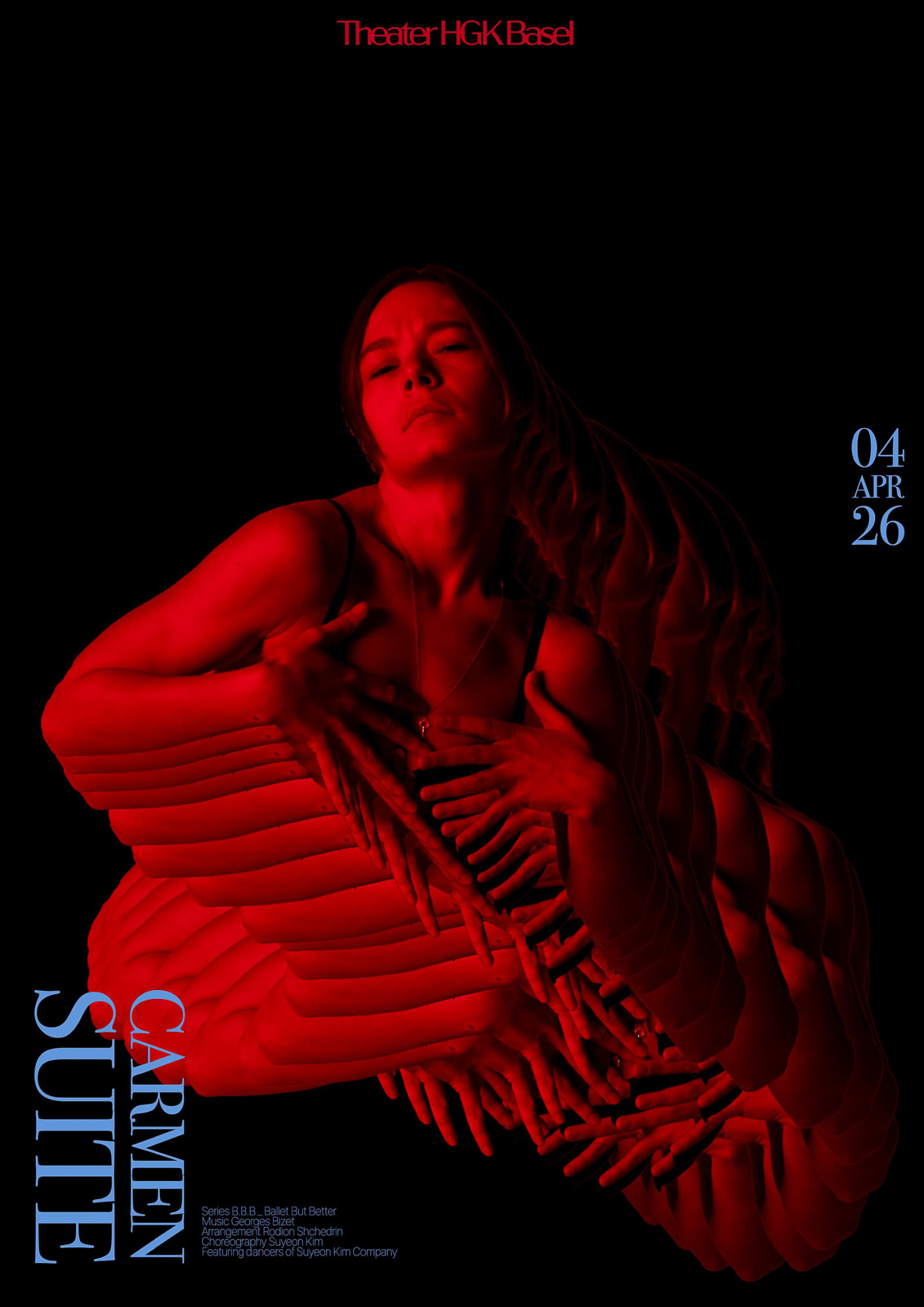
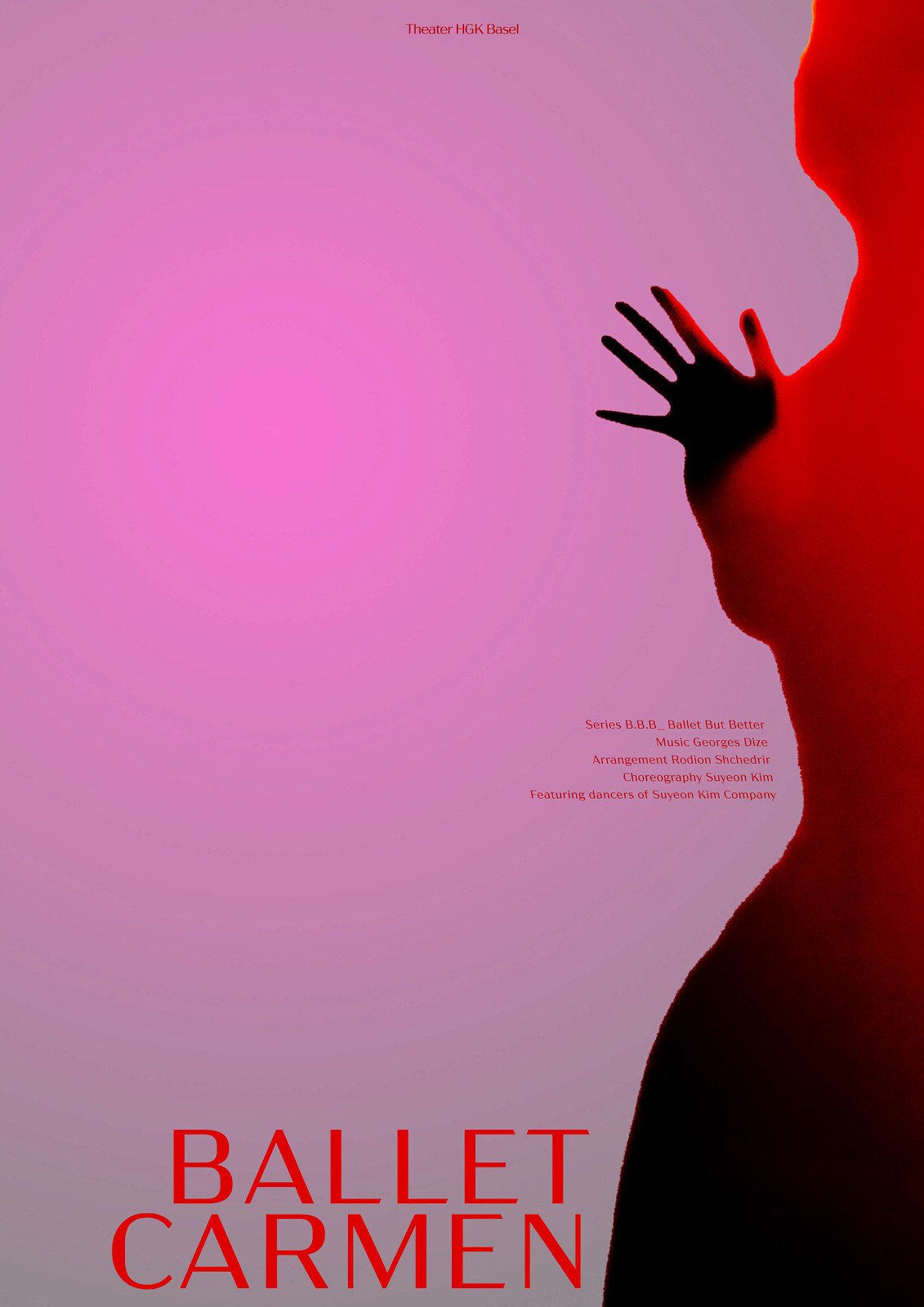


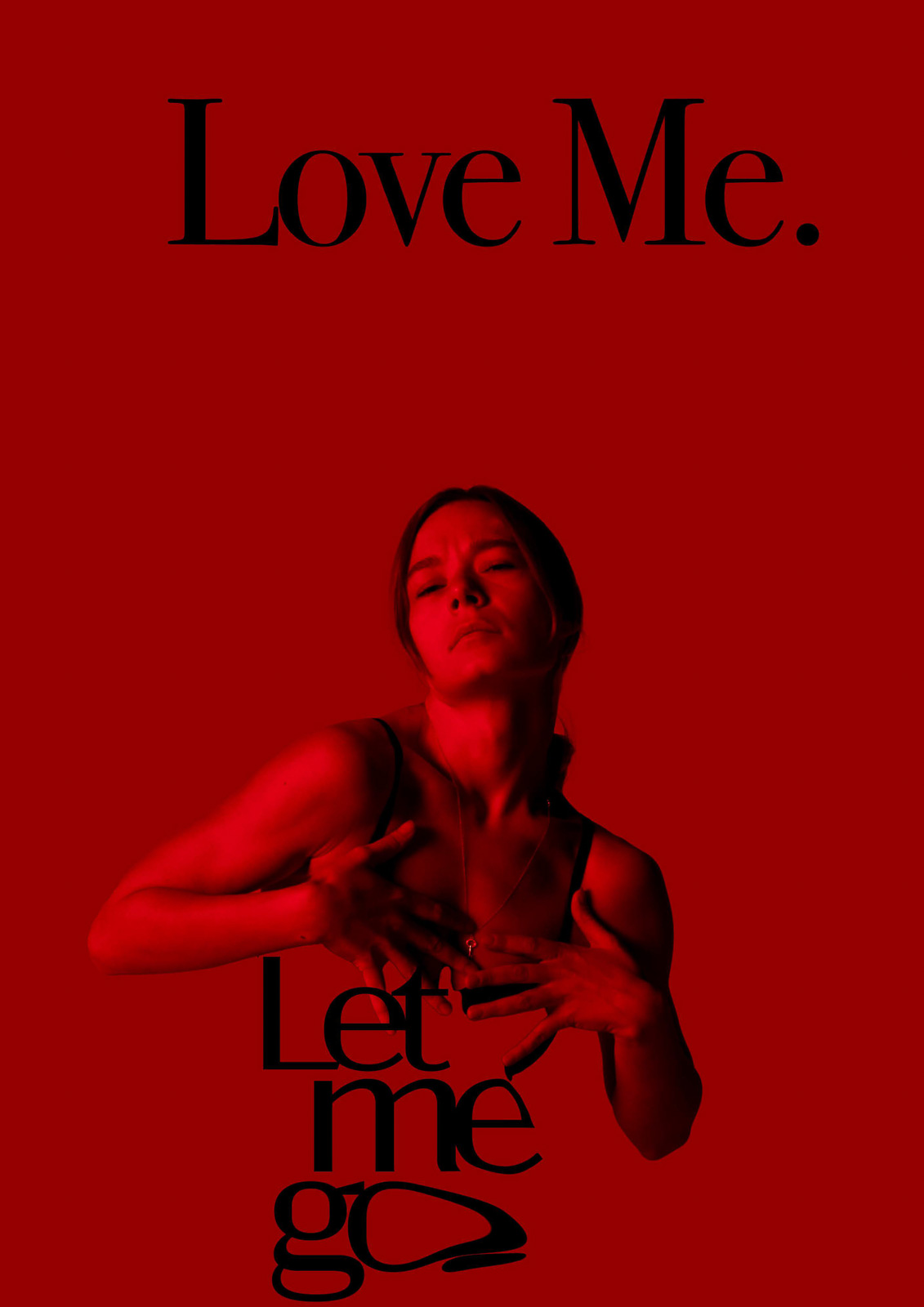




This design research project begins with a personal yet critical question: Why do I dislike contemporary dance posters? Through an analysis of recent classical ballet posters, the study observes a dominant visual convention—technical movement postures combined with minimal design elements—often resulting in visual monotony and emotional distance for the viewer.
Using Carmen as a case study, the research explores how poster design might move beyond representational imagery toward a more interpretive visual language. Through experimental design trials, the project proposes alternative approaches that emphasize movement traces, rhythm, and dramatic tension rather than the dancer’s body as a static subject.
The findings suggest that abstracting dance into graphic elements can generate curiosity and engagements from the audience, offering a sensory entry into the performance rather than a literal expression of it.
Using Carmen as a case study, the research explores how poster design might move beyond representational imagery toward a more interpretive visual language. Through experimental design trials, the project proposes alternative approaches that emphasize movement traces, rhythm, and dramatic tension rather than the dancer’s body as a static subject.
The findings suggest that abstracting dance into graphic elements can generate curiosity and engagements from the audience, offering a sensory entry into the performance rather than a literal expression of it.